
BERLIN CALENDAR: THE LAST MOZART AT THE KROLLOPER
Today in Berlin: 3 July, 1931

On 3 July, 1931 Berlin's Staatsoper, the State Opera House on Platz der Republik better known as Krolloper, presented its very last performance. On the bill that night? Mozart's "The Marriage of Figaro".
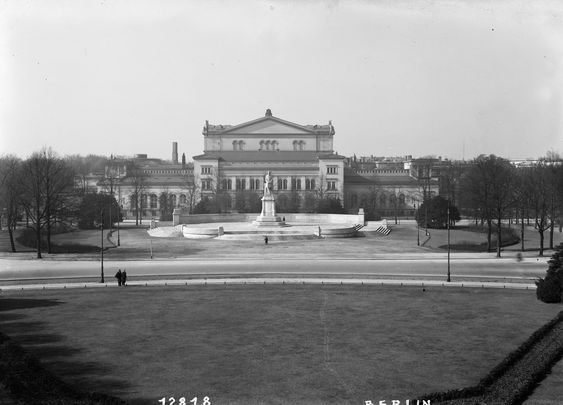
Krolloper’s management did not choose to close the curtain forever - Otto Klemperer, who ran the house from 1927, was forced to do so. Officially, the city - at that point in time blessed with not one but three opera houses - had to reduce the offer. With the world in the thrall of a soul-drenching financial crisis, maintaining three such establishments was simply not viable.
Unofficially, a conflict between Krolls’ management and several other chief players who never made any secret for their dislike for the modern and progressive style of the Tiergarten house, had the latter pull some important strings.
All attempts to save the stage were in vain. The alleged Kulturbolschwismus practiced by the bold and progressive opera house management served as a perfect excuse to nail their coffin. Once again, being progressive and venturing into new exciting territories would turn against Berlin’s art world. Despite the promising start and in spite of the fact that Otto Klemperer managed to established one of the most harmonious opera ensembles in Europe and perhaps even worldwide. An ensemble which performed on stage within Bauhaus-designed scenography: Bauhaus artists regularly co-operated with Klemperer’s opera house.
This would not be the first time that this historic building would be facing the end.
Berlin’s Staatsoper am Königplatz (since 1926 "am Platz der Republik") opened in what once used to be the city’s most popular entertainment venue - the 1844 Krolls Etablissement. Less than a decade later, in February 1951, the favoured location would burn down completely, leaving especially wealthy Berliners in mourning.
Seven months later it re-opened again.
After decades of constant ups and downs, including problems with leasing the space, Kaiser Wilhelm II spoke the final word: Krolloper was to be torn down. The emperor wished a new opera house for Berlin, so both Krolls and the eighteenth-century Staatsoper Unter den Linden would have had to go. Ironically, both would be saved by the same Kaiser, albeit indirectly.
Wilhelm’s political carelessness and arrogance would pull Germany into the void of the First World War, forcing his attention to shift to other matters instead.
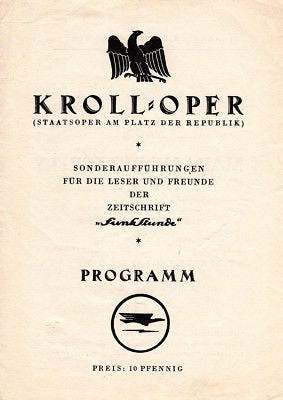
However, by July 1931 the final verdict stood. Krolls would no longer operate as a temple of opera music.
Otto Klemperer - brilliant German composer and conductor who would soon leave Germany to escape Nazi persecution and go to lead renown US orchestras in Los Angeles, New York and San Francisco - was in charge of the house at the time. And he would absolutely refuse to take that verdict without making big noise.
Klemperer sued against the government's decision but lost. The argument that Krolloper "cost too much" won.
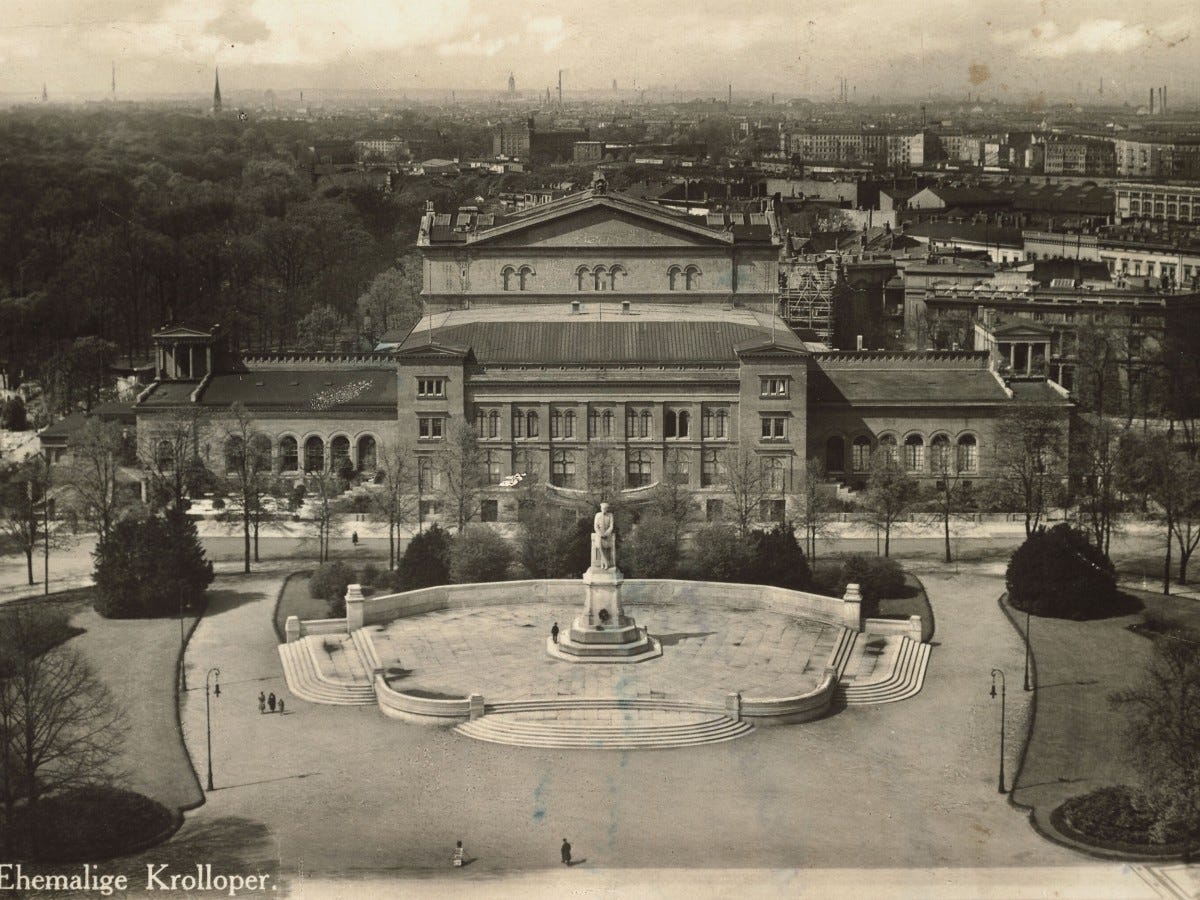
In 1933 new masters would move into the building: after the Reichstag burnt in February 1933, the old Krollsoper would become the main seat of the Third Reich “Parliament”. From that moment everyone would be dancing to a completely different tune.
Thank you, as always, for reading the Berlin Companion. Please comment, follow and share.
I have always been of two minds about the fact that "high culture" in the US has never really been a subject of massive political import (even the Kennedy Center farce doesn't really count).
On the one hand, one is thankful for its absence and interference.
On the other, one sometimes wishes that "the people" cared more.