

On 14 July 1705 Prussian king, Friedrich I (former Elector Friedrich III), issued a royal deed granting his consent to the opening of a shelter for destitute or unable to work Protestant (Calvinist) refugees from the Duchy of Orange. The name of the seat for this new charity: Maison d’Orange. The Orange House…
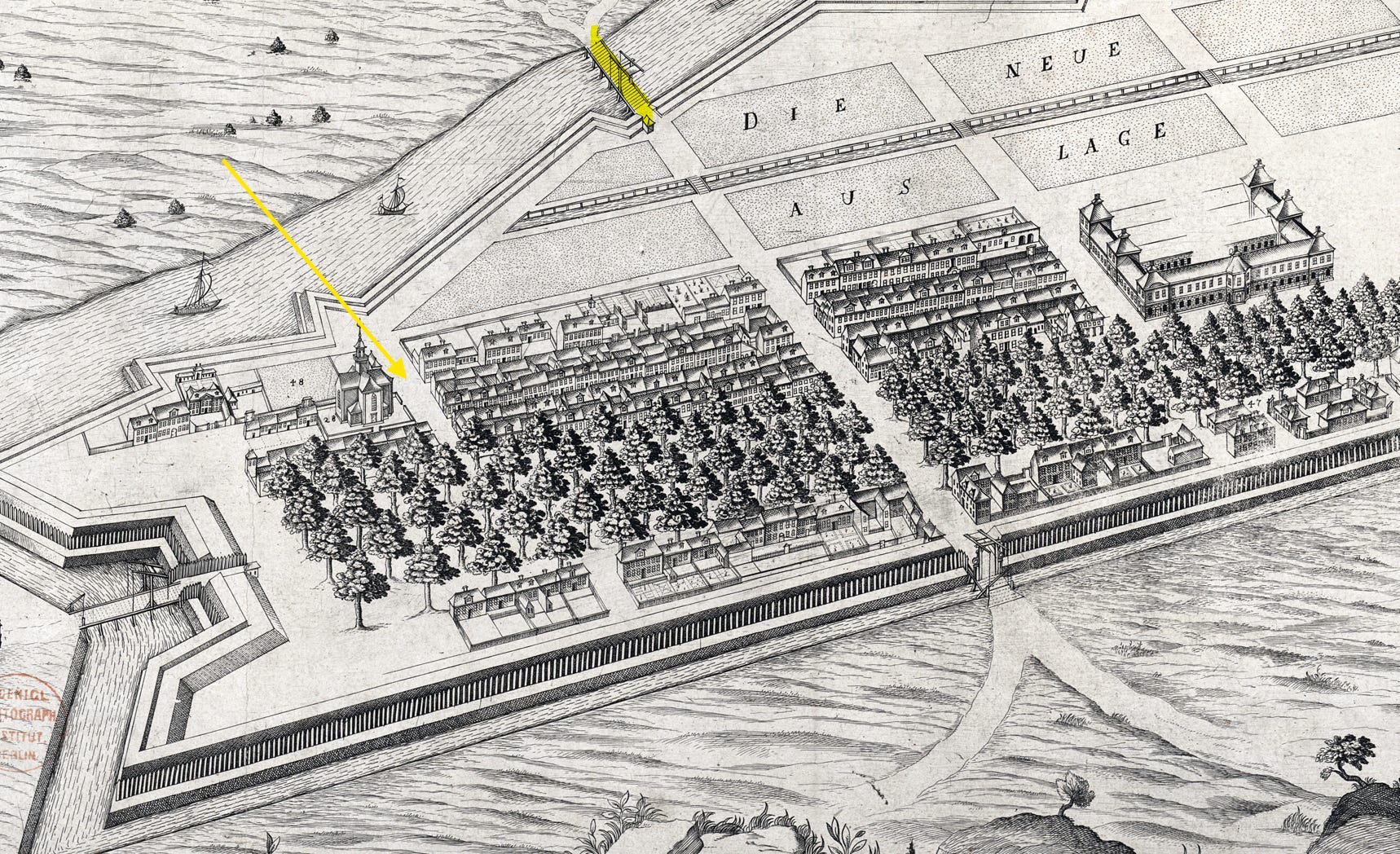
Through his mother, Luise Henriette of Orange, Prussian king had a valid claim to the temporarily empty throne of the Duchy of Orange. Unfortunately, the French got there first. Unsurprisingly, too: the Duchy lay in the south of France, near Avignon in today’s Department Vauclouse.
French Catholics immediately insisted on Protestants leaving the territory - which, considering that French history knew less considerate ways of getting rid of their Reformed countrymen and women (see: Saint Bartholomew’s Day Massacre), was a blessing in disguise.
Eventually, an agreement would be struck to allow the Protestants to travel to Brandenburg - they chose Friedrich I’s land over others, believing him to be the rightful heir to the throne of Orange.

In total some 4,000 Orangeois arrived in Brandenburg and some 10% of them settled in Berlin. For the King, they were a welcome addition to the local social landscape - just as French Huguenots who arrived in the days of the Great Elector, they brought with them plenty of know-how (gardening, tapestry, textile manufacturing, etc). And, of course, their cuisine.
“The House of Orange” set up in Berlin was a place for those among them who were impoverished or unable to work. The money for the project was collected simultaneously in Prussia and in England - Queen Anne very much supported her Prussian “colleague’s” plan to offer sanctuary to persecuted Calvinists. The English donations - over several years it was quite a sum, too - were then passed into the capable of hands of Thomas Wentworth, 3rd Baron Raby, who had been appointed English ambassador and dispatched to Berlin. Here he was appointed the head of the charity of Maison d’Orange.
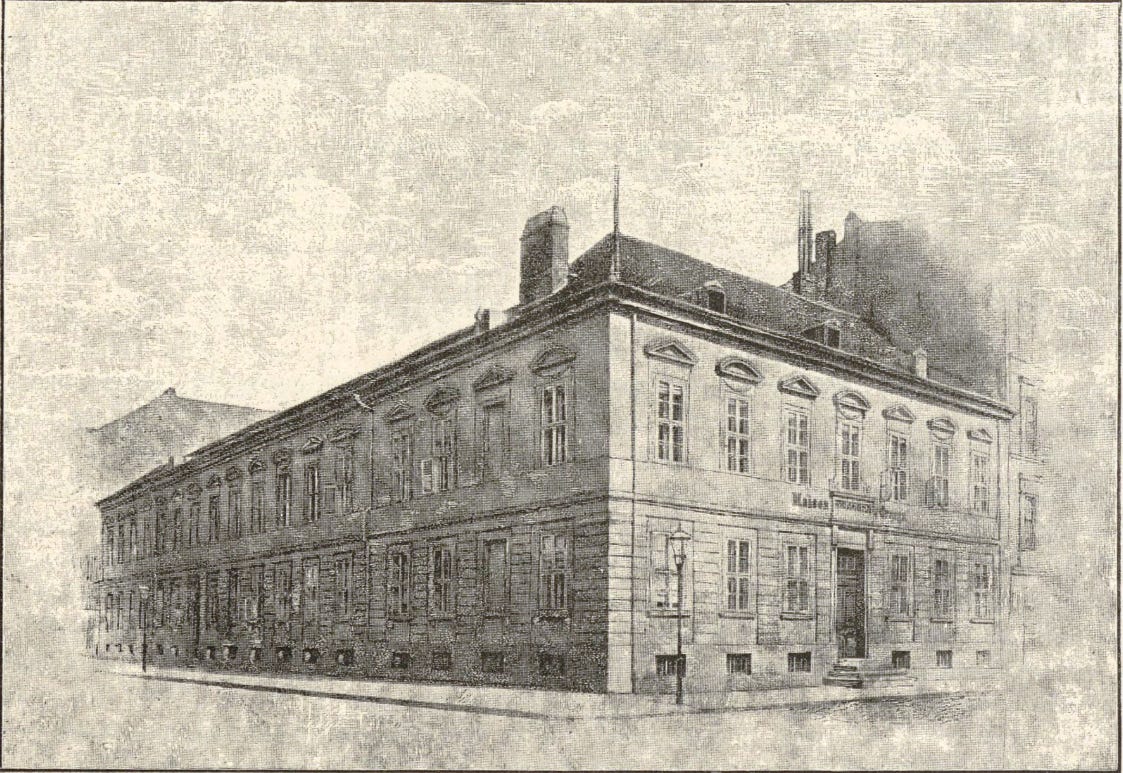
With that money, plus the sum collected in Prussia, the welfare organisation could support the descendants of the Orangeois until 1914. A person applying for assistance had to prove their lineage and once accepted, could relay on free abode, free medical care, free medicines, and plenty of other small means of support.
The badly-weathered Maison d’Orange, which stood either on the corner of today’s Dorotheenstraße and Neustädtische Kirchstraße, or a bit further south on the next corner (Mittelstraße) - historians have not found a final proof of its exact location yet - had to be demolished in 1792. A new building was erected but in 1893 it was sold to a new investor - who built one of Berlin’s most popular and vanished hotels, the “Continental”.
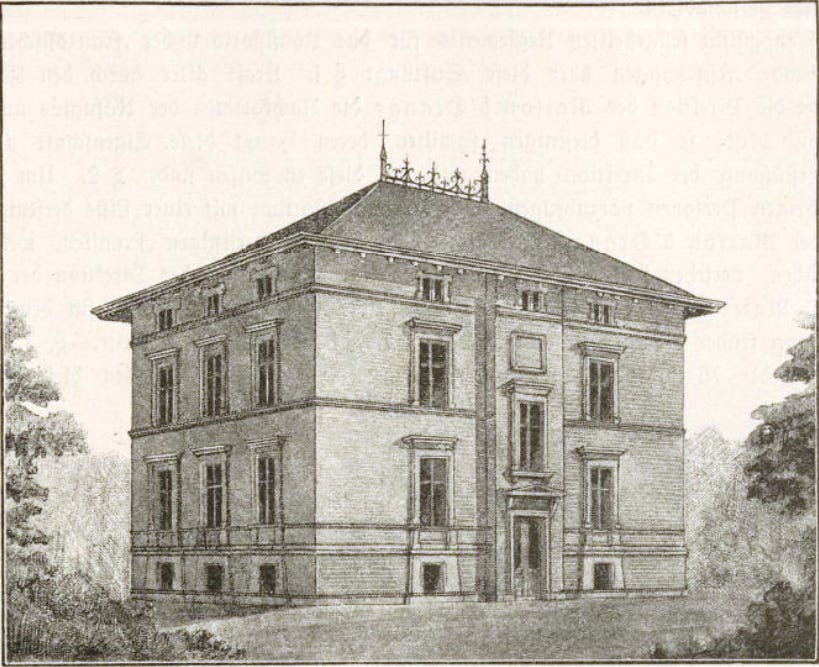
Meanwhile, Orangenhaus moved to Ulmenstraße in Berlin-Tiergarten, to a villa in a street that ceased to exist. Ulmenstraße vanished as the French Secondary School was built there in 1971.
However, Maison d’Orange had left it much earlier, too: the villa was purchased in 1910 by a wealthy Berlin newspaper publisher and art collector, Franz Ullstein (of Ullstein-Verlag and Ullsteinhaus). You will find the building away from the Derfflingerstraße, behind the French Gymnasium.
Maison d’Orange moved again, this time to the historic French Huguenot-colony site in Berlin-Mitte: to Hugenottenviertel. The historic Huguenot Quarter is well-hidden between Friedrichstraße 129 and today’s Claire-Waldoff-Straße.
The Orangenhaus became part of the French Hospital on the site - the latter, together with a shelter for women and children’s hospice, was completely destroyed during the Second World War.
If you want to learn more about the Hugenottenviertel and the history of Friedrichstraße north of Unter den Linden, yours truly collection of Voicemap audio-walks contains just the thing: a self-guided audio-walk, Silk, Sin and Stages: In and Out of Northern Friedrichstraße, available via VoiceMap App. You can find it in your Apple or Android app store.